Monday, 13 February 2012

Solar panel savings on the 21p feed-in tariff


If you've been wondering how much income a solar panel installation would generate on the 21p tariff rate, the Energy Saving Trust website has already done the calculations for you.

Based on a typical 3kw photovoltaic (PV) solar panel installation, you could earn:

£530 a year from the Generation Tariff of 21p
£40 a year from the Export Tariff of 3p (paid directly by your energy provider)
£100 a year reduction of your current energy bills.

That adds up to £670 a year. On a typical 3kw installation, that's a very attractive payback period of just 12 to 13 years, leaving you with the remainder of the 25 year period to reap the rewards.

That payback period also assumes no further energy price rises in the next 12 years!

If December's (2011) tariff reduction is reversed, then you can see why the 43p rate is so attractive to those who've already installed solar on their roofs.

And you could save even more by applying a few energy saving measures around your home.

Some installation companies will offer free (or packaged) energy surveys of your home, and these can help highlight areas where you could save energy. Especially if you're aiming for complete self-sufficiency from the grid, then you'll need to get your energy consumption as low as possible, before the installation takes place as you'll only want to pay for the generating capacity you need.

And the news 'on the wire' is that this October's forthcoming Renewable Heat incentives may require a certain energy efficiency rating of your home, before they'll be paid.

The Government is said to also be considering  similar move with the Feed-in Tariffs, so to get the tariff payments, households may have to spend extra on insulation and other energy efficiency measures to get their property's energy rating lower.

This story first appeared in our weekly homeowner newsletter dated 6th February 2012. Click here to read the full newsletter, which also included a round up of the weeks top home improvement offers.

If renewable energy is of interest to you, then you might like to follow our dedicated renewable energy news blog which publishes daily (mon-fri) - click here to visit Renewable Energy Quoter. They can also be followed on Twitter.

Friday, 10 February 2012

5 years ago… Home Improvement Trends of 2007


Has a lot changed since 2007? We took a quick peek back at the home improvement trends of 2007, which included the housing market, buy-to-let, DIY and eco-friendly homes.

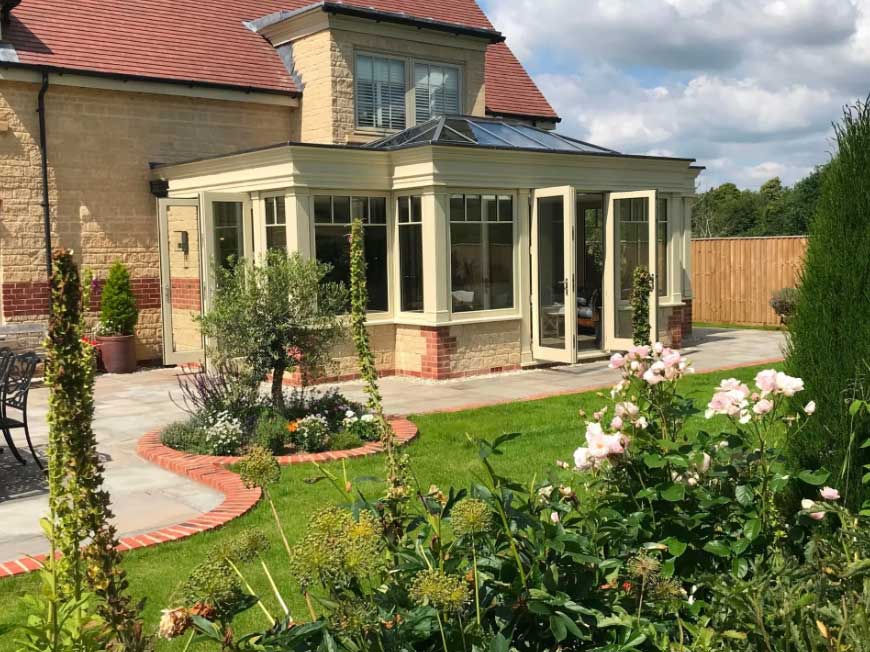
2007 saw more people than even get bitten by the by-to-let property bug, whilst other homeowners thinking of selling their properties were confronted with the HIPS pack for 3 bedroom houses. Average house prices had risen 156% in the last ten years and homeowners were adding extensions and conservatories to increase their homes value even more.

One report predicted the average house would cost £300,000 by 2012, despite December seeing a third consecutive fall in house prices, signalling, some said, an end to the property boom.

Rented homes were already in great demand as the cost of buying a first home or a larger family proved too much for the British public. This fuelled the by-to-let market as properties were snapped up and consequently let by a growing army of private property investors.

DIY was as popular an obsession with the public as it had ever been. The previous 5 years had seen a steady increase in 'handy women' with Tesco reporting it had sold 21,000 pink tool kits last Christmas.

The flip-side of the coin was increasing numbers of young professionals without any DIY skills, and a culture of 'call in an expert' for even simple tasks was evolving.

Eco-friendly interiors was surely one of the hottest topics of home improvement as house builders started incorporating natural materials like lambs wool insulation. The revolution was truly underway as energy saving lightbulbs were snapped up, although much more was achieved by simply turning the heating down a agree or two and switching off lights when not in a room.

Finally, the 18-24 age group surprised us by getting increasingly green-fingered as Britons spent an average of £180 each on sprucing up their gardens. However, those obsessed with 'keeping up with the Jones' ended up spending ten times as much as last year on landscaped gardens and even driveway turntables.

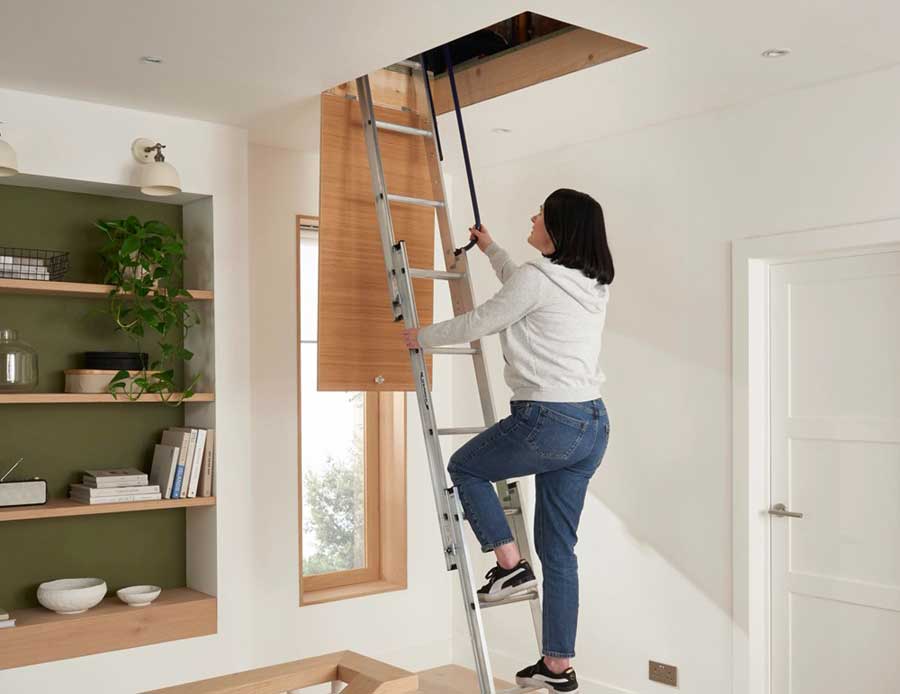
2007 also saw us launch Loft Quoter - an instant online loft conversion quoting website, joined our growing family of 'Quoter websites. It's regularly updated with the industries latest prices and can still offer free online quotes, whether your attic is traditional trusses or the more modern W shaped trusses in construction.


This story first appeared in our weekly homeowner newsletter dated 6th February 2012. Click here to read the full newsletter, which also included a round up of the weeks top home improvement offers.

Tuesday, 7 February 2012

Why you might want to replace older plastic windows (upvc double glazing).


Upvc double glazing (or plastic windows) isn't just for replacing old wooden or aluminium windows, or first time installation in new build properties.

There's a steady stream of households replacing old upvc double glazed windows and doors too.

There's a variety of reasons why you might want to replace existing upvc windows - we'll look at some of the more obvious ones below.

Purely for the look.
Frame styles and manufacturing techniques are always evolving - better, slimmer, more period-like designs are always being introduced, and todays woodgrain or foil frame finishes make them virtually indistinguishable from real wood, until you're up close.

Broken handles and openers.
Handles and hinges get a lot of use and without any maintenance (a little oil lubrication will really extend their life), can quickly become worn or broken.

When the inconvenience of broke handles or windows that won't open becomes too much, you can either explore sourcing replacement handles, locks and hinge mechanisms yourself, ask a local company or the original installer to come and repair, or replace the lot.

Energy efficiency.
Double glazings original big selling point was its insulation properties - remember Ted sitting in the draughtiest pub in Britain? Of course, they were  great improvement on anything we'd known before, but comparing first-generation windows to todays pieces of engineering is like comparing computer technology between 10 years apart.

Todays frames are truly engineered to offer the best thermal protection from the inside to the outside, using multi chambered designs to achieve a-rated energy efficiency levels.

Of course, the frame is only part of the picture - glass technology now offers us gas filled cavities, special heat reflective coatings and even self-cleaning options.

The technology now exists to recycle old upvc windows so when you're replacing your old upvc (or plastic) windows with more modern, energy efficient ones, ask your installer if they'll recycle the old ones and you'll even be saving the planet from landfill.


This story first appeared in our weekly homeowner newsletter dated 6th February 2012. Click here to read the full newsletter, which also included a round up of the weeks top home improvement offers.