

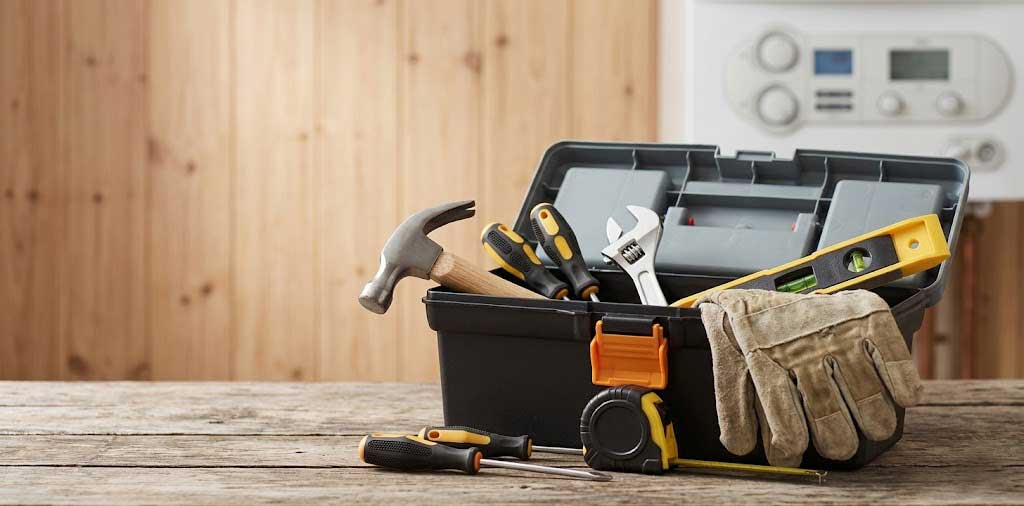
 Keep your home running smoothly year-round. Central heating checklists and boiler safety to plumbing fixes and electrical tips, we provide the practical advice every homeowner needs to prevent costly repairs.
 Transform your living space with our expert guides on flooring, painting, and kitchen renovations. Learn how to clean delicate surfaces like marble or choose the right fixings for your next big indoor project.
 Enhance your curb appeal and enjoy your outdoor space. Discover the best lawnmowers for your garden, landscaping inspiration, and durable solutions for fencing, patios, and home exterior maintenance.
When you plan a renovation, most of the attention goes on the exciting parts: the new kitchen layout, the tiles, the paint colours and the finishing touches. What rarely makes it onto the plan is what happens to everything you’re taking out. Yet even a modest bathroom refit can produce a surprising amount of waste, and a full kitchen or loft project can fill several vans.
Leave waste until the last minute and it can quickly become a headache. Rubble piles up on the drive, old units block the hallway, and you end up paying more than you expected to get rid of it all. A little planning before the first tile comes off can save time, money and stress. Here’s how to do it.
1. Work Out What You’ll Be Removing
Start by walking through the space and listing everything that’s coming out. Think beyond the obvious items. A kitchen renovation, for example, might involve:
- Old cabinets, worktops and doors
- Appliances such as the oven, hob, fridge and dishwasher
- Wall and floor tiles
- Plasterboard and timber from stud walls
- Flooring, underlay and carpet
- Packaging from all the new materials being delivered
Don’t forget that packaging. New units, flooring and fittings often arrive in large boxes, polystyrene and plastic wrap, and it adds up fast.
2. Estimate How Much Waste There Will Be
Once you have your list, try to estimate the volume. You don’t need to be precise, but having a rough idea helps you choose the right disposal option and avoid paying for two collections when one would have done.
As a rough guide, a small bathroom refit might fill a small builder’s skip, while a full kitchen replacement can easily fill a medium one. Bulky items such as old units and appliances take up far more space than you’d expect, even when broken down. If you’re unsure, it’s usually cheaper to go slightly bigger than to underestimate.
3. Identify Materials That Need Special Handling
Not all renovation waste can be thrown in together. Some materials need to be kept separate or disposed of in a specific way, so it’s important to spot them early:
- Plasterboard: Most waste companies need plasterboard kept separate from general waste, as gypsum can release harmful gases when it breaks down alongside biodegradable materials.
- Electrical items: Old appliances, light fittings and wiring count as electrical waste and need to go to the right recycling facility.
- Paint, solvents and adhesives: Leftover liquid paint and chemicals are classed as hazardous and shouldn’t go in a skip or general waste.
- Asbestos: If your home was built before 2000, some materials such as textured ceilings, old floor tiles or pipe lagging could contain asbestos. The Health and Safety Executive’s asbestos guidance explains where it’s commonly found and why it should only be handled by qualified professionals. If you suspect asbestos, stop work and have it tested before going any further.
4. Choose the Right Disposal Option
There are three main ways to deal with renovation waste, and the best choice depends on your project, budget and property.
Skip hire
A skip works well for larger projects where waste will be produced steadily over several days or weeks. You fill it at your own pace, and it’s collected when full. However, you’ll need space on your driveway, or a council permit if it has to sit on the road. There are also strict rules about what can go in it.
Council recycling centres
For smaller jobs, you may be able to take waste to your local household recycling centre yourself. Many councils limit how much DIY waste they’ll accept, and some charge for items such as rubble and plasterboard, so check the rules before loading the car.
Rubbish removal services
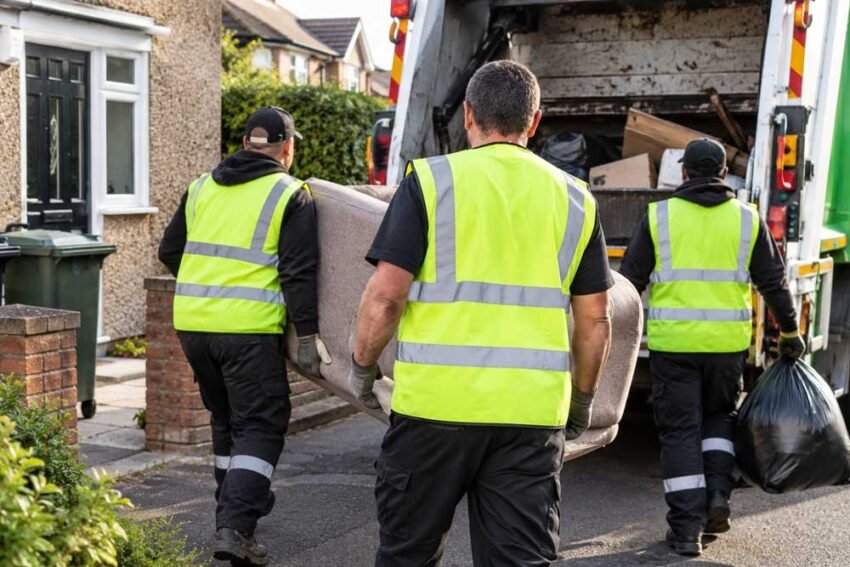
If you don’t have space for a skip, live on a busy street or simply don’t want the hassle, a man and van Rubbish removal services can be the easiest option. The team loads everything for you and takes it away in one visit, which is ideal at the end of a project or when old units and appliances need clearing in one go. A licensed company such as Snappy Rubbish Removals can collect renovation waste, bulky items and leftover materials, and a reputable firm will sort what it collects so that as much as possible is reused or recycled.
5. Build Waste Into Your Budget and Schedule
Waste removal is a real cost, so include it in your renovation budget from the start. Get quotes early and compare options, keeping in mind that the cheapest price isn’t always the best value if it means extra trips, permit fees or added charges for certain materials.
It’s also worth thinking about timing. Do you need waste cleared before trades arrive, so they have room to work? Will there be a big clear-out at the end? Booking collections around key stages of the project keeps the site safe and tidy, and helps your builders work more efficiently.
6. Reduce, Reuse and Recycle Where You Can
Not everything you remove has to be thrown away. Kitchen units, doors, sinks and light fittings in good condition can often be sold, donated to a charity or offered free to local community groups. Leftover tiles, timber and paint may be useful to neighbours or reuse schemes.
Separating materials such as metal, wood and rubble as you go can also make recycling easier and, in some cases, reduce disposal costs.
7. Check Your Waste Carrier Is Licensed
Whoever takes your waste away, make sure they’re properly licensed. Homeowners have a legal duty of care to check that their rubbish is passed to an authorised waste carrier. If your waste is later fly-tipped and traced back to you, you could be fined, even if you paid someone to take it. Always ask for a waste carrier registration number and a receipt.
Final Thoughts
Renovation waste is easy to overlook, but planning for it early makes a real difference. Know what’s coming out, identify anything that needs special handling, choose the right disposal option and build it into your budget and timeline. Do that, and you’ll keep your project running smoothly from the first day of demolition to the final reveal.