

 Keep your home running smoothly year-round. Central heating checklists and boiler safety to plumbing fixes and electrical tips, we provide the practical advice every homeowner needs to prevent costly repairs.
 Transform your living space with our expert guides on flooring, painting, and kitchen renovations. Learn how to clean delicate surfaces like marble or choose the right fixings for your next big indoor project.
 Enhance your curb appeal and enjoy your outdoor space. Discover the best lawnmowers for your garden, landscaping inspiration, and durable solutions for fencing, patios, and home exterior maintenance.
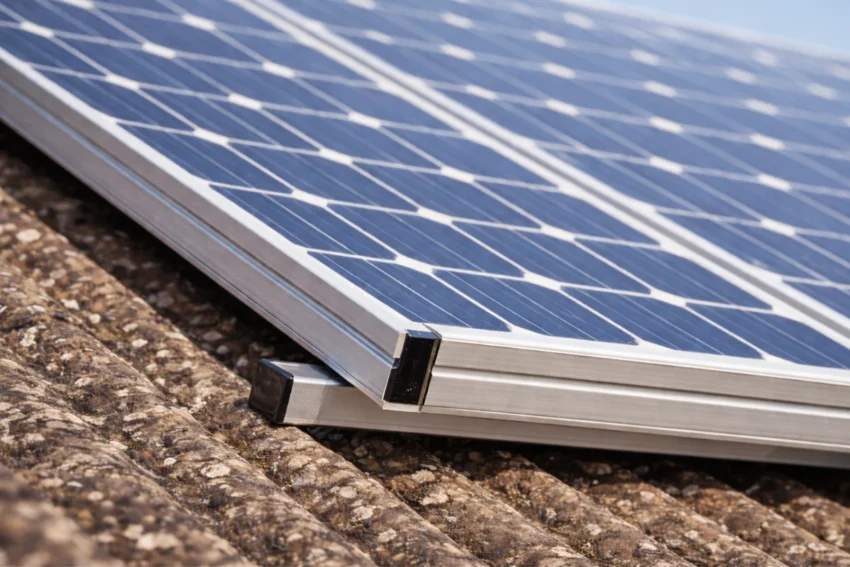
UK homeowners increasingly face a choice: install solar panels, install air source heat pumps, or do both. Most treat them as separate investments. The reality is far more interesting. When solar panels and heat pumps work together, they create a home energy system significantly more efficient than either alone.
This isn’t marketing hype. It’s practical physics combined with real-world economics. Professional solar installers across the country are watching this combination reshape how modern UK homes manage energy.
How Solar and Heat Pumps Complement Each Other
Air source heat pumps capture thermal energy from outdoor air and convert it into heating and hot water. They work year-round, becoming essential during winter when heating demands peak.
The challenge: heat pumps are electric systems. They consume significant electricity, especially when outdoor temperatures drop.
Solar panels generate electricity, particularly during spring, summer, and autumn. Peak solar production comes when heating demand is lowest. Peak heat pump demand comes when solar production slows.
This apparent mismatch disappears when you look at modern homes holistically. Solar generates electricity that powers your home year-round, not just heating. You’ve got fridges, cookers, lighting, charging devices, and countless other demands. Solar covers these baseline loads throughout the year.
This means your heat pump doesn’t need grid electricity during peak solar hours. Instead, solar handles all household electricity needs, leaving the heat pump to draw grid power primarily during evenings and winter when solar isn’t producing.
The result? Your total grid consumption drops dramatically compared to running either system independently.
The Economics Make Sense
Installing both systems represents a larger upfront investment than choosing one. But the long-term economics favour the combination.
A heat pump alone reduces heating costs compared to gas boilers, but you’re still consuming grid electricity. Solar panels alone generate electricity, but you might not use all of it year-round depending on household consumption patterns.
Together, they create redundancy and optimization. Your solar handles daytime electricity demand for everything. Your heat pump efficiently converts what electricity it needs into heating. The combination reduces grid reliance far more than either system independently.
Over a system lifetime, this compounds into substantial savings. Your heat pump operates more cost-effectively because solar is handling household electricity. Your solar generates electricity that feeds a high-efficiency heat pump rather than being exported to the grid or wasted.
The Storage Opportunity
This is where things get even more interesting. Add battery storage to a solar and heat pump system, and the optimization possibilities expand dramatically.
A battery system can store solar energy generated during the day, then release it to power your heat pump during evening hours when heating demand typically rises. Modern smart systems can even predict weather patterns and adjust charging and discharge strategies accordingly.
During winter, when solar production drops significantly, your heat pump runs as it normally would. But throughout spring, summer, and autumn, solar and batteries work together to minimize grid reliance for all household needs, including heating. You’re essentially creating a self-sufficient energy system that adapts to seasonal patterns and household consumption.
System Integration Matters
The real benefit comes from proper integration. Solar panels, heat pumps, and battery systems need to communicate and coordinate. This requires professional installation and configuration that ensures all components work as a unified system rather than separate installations.
This is why choosing experienced installers matters. They understand how to size and configure systems so each component enhances the others rather than creating inefficiencies.
The Future of UK Home Energy
UK government policy increasingly encourages this combination. Heat pump adoption targets, renewable energy goals, and energy efficiency standards all point toward homes combining heat pumps with renewable generation.
Early adopters in Edinburgh, London, Manchester, and across the UK are discovering what this combination delivers. Homes with solar and heat pumps report lower energy bills, greater energy independence, and resilience against grid disruptions or energy price spikes.
Making the Investment
If you’re considering either solar panels or a heat pump, the economic case for combining them is compelling. Yes, it requires larger upfront investment. But the long-term returns, both in utility bill savings and reduced environmental impact, make it a strategic choice for modern UK homeowners.
The question isn’t whether to choose solar or heat pumps. It’s how to integrate both into a home energy system that works optimally throughout the year.