

 Keep your home running smoothly year-round. Central heating checklists and boiler safety to plumbing fixes and electrical tips, we provide the practical advice every homeowner needs to prevent costly repairs.
 Transform your living space with our expert guides on flooring, painting, and kitchen renovations. Learn how to clean delicate surfaces like marble or choose the right fixings for your next big indoor project.
 Enhance your curb appeal and enjoy your outdoor space. Discover the best lawnmowers for your garden, landscaping inspiration, and durable solutions for fencing, patios, and home exterior maintenance.
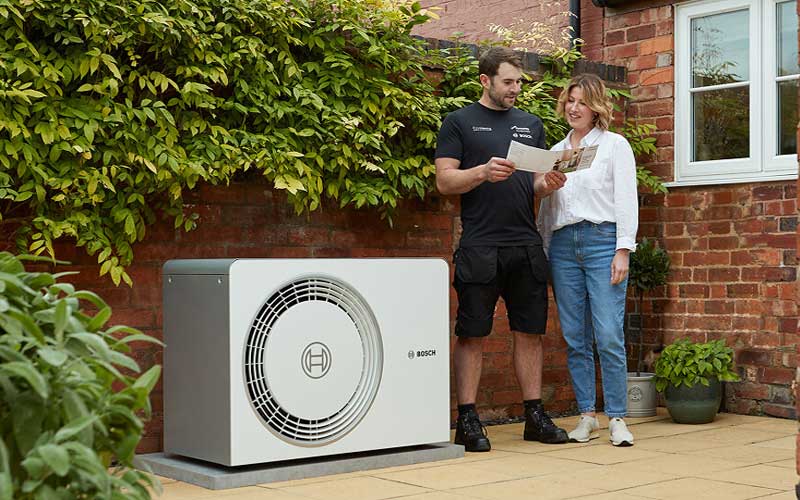
The shift towards cleaner, more efficient home heating is accelerating across the UK. As households look for ways to cut energy bills, reduce carbon footprints, and improve long-term heating performance, air source heat pumps have emerged as one of the most practical alternatives to traditional gas and oil systems. Their ability to provide reliable heating and cooling, combined with lower running costs and substantial environmental benefits, has made them an increasingly popular choice.
A combination of policy changes, rising homeowner awareness, and the natural evolution of the heating market towards sustainable solutions drives this growing momentum. Understanding this transition helps explain why many households now view air source heat pumps as a long-term investment in both comfort and energy efficiency.
Rising Focus on Energy Efficiency and Lower Bills
One of the most important factors influencing homeowners is the desire to reduce monthly energy expenses. Traditional heating systems—especially older boilers—tend to be less efficient, consuming more fuel to maintain indoor comfort. In contrast, air-source heat pumps are designed to move heat rather than generate it directly, thereby significantly increasing their efficiency.
Most modern systems can deliver up to three units of heat for every one unit of electricity consumed. This efficiency ratio, often referred to as the Coefficient of Performance (COP), allows households to achieve stable, predictable heating performance even during colder months. Although energy prices fluctuate, the long-term running costs of heat pumps are generally lower than those of fossil-fuel systems.
Homeowners also find that predictable, consistent running temperatures help create a more comfortable living environment. Because heat pumps operate steadily rather than switching on and off like traditional boilers, they maintain a balanced indoor temperature without sudden changes in warmth.
Environmental Benefits Are Driving Change
Environmental concerns are another strong motivator. As the UK pushes towards net-zero emissions, reducing the use of fossil fuels in homes has become a national priority. Heating accounts for a large share of residential carbon emissions, and replacing gas- or oil-based systems can significantly reduce a household’s environmental impact.
Air-source heat pumps produce far fewer emissions during operation because they primarily use electricity. As the national grid continues to transition towards renewable energy sources, the carbon footprint of heat pumps becomes even smaller. For many homeowners, this alignment with national climate goals adds a strong ethical reason to make the switch.
Communities and local authorities across the UK are also encouraging greener home heating. This includes sustainability initiatives, guidance on future-proofing, and support for households exploring low-carbon solutions. As environmental awareness grows, air source heat pumps are increasingly seen as the responsible heating choice for the future.
Government Support and Incentives
Government policy plays a significant role in the adoption of new heating technologies. Over the last few years, the UK government has introduced various schemes designed to support low-carbon heating installations. These incentives help reduce upfront costs and make the transition more accessible for homeowners.
Support schemes encourage households to consider efficient alternatives by offering financial assistance and setting clear long-term targets. This guidance, combined with the growing availability of professional installers, has made upgrading to heat pumps far more straightforward.
Future regulations are also encouraging early adoption. The planned phase-out of gas boilers in new homes demonstrates the government’s long-term commitment to cleaner heating systems. As this shift continues, air source heat pumps are likely to become the standard choice for new builds and renovations alike.
Versatility and Year-Round Comfort
A key benefit of air source heat pumps is their versatility. They can heat homes in winter, cool them in summer, and provide hot water year-round. This multi-function capability is especially appealing to households seeking a single system that meets all seasonal requirements.
Modern units are designed to perform efficiently in a range of temperatures, including colder climates. Improved technology, enhanced system controls, and more accurate thermostats enable optimal performance even when outdoor temperatures drop significantly. As a result, homeowners enjoy steady, dependable warmth without relying on traditional fuel sources.
Another advantage is the compatibility with underfloor heating and low-temperature radiators. These systems work exceptionally well with heat pumps, offering efficient heat distribution and improved indoor comfort.
Lower Maintenance Needs and Long-Term Reliability
Air-source heat pumps are engineered to operate with lower mechanical stress than combustion-based systems. Because there is no internal burning process, the components experience less wear over time. This helps extend the system’s lifespan and reduces the risk of breakdowns.
Routine checks, such as cleaning filters and ensuring proper airflow, help maintain long-term performance. Many homeowners opt for an air source heat pump service plan to provide regular inspections and continued efficiency.
With fewer moving parts and reduced strain on components, many systems last significantly longer than traditional boilers, offering long-term value and reliable operation.
Increasing Awareness and Better Information
Another reason for rising adoption is improved understanding. As heat pumps gain visibility, more homeowners are learning how they work, what benefits they offer, and how they compare to older systems. Online resources, local demonstrations, and community projects all contribute to growing public confidence.
Installers, energy assessors, and housing organisations are also sharing more practical guidance. This support helps homeowners make informed decisions about system size, installation location, and integration with existing home layouts. As information becomes more accessible, upgrading to a heat pump feels less daunting.
Improved Technology and Better Performance
Technological advances have played a crucial role in increasing demand. Modern heat pumps are more efficient, quieter, and better suited to the UK’s varied climate. Manufacturers have refined system design, improved refrigerants, and introduced advanced control systems that allow users to manage heating more precisely.
These improvements translate into better performance, lower running costs, and increased homeowner satisfaction. The steady progress of technology ensures that each new generation of heat pumps offers enhanced reliability and efficiency.
Future-Proofing for Upcoming Energy Trends
As the country moves towards decarbonisation, households are looking for ways to prepare for future regulations and avoid reliance on fossil fuel systems. Heat pumps offer a long-term solution that positions homes for upcoming energy standards. By investing now, homeowners reduce the risk of costly upgrades later.
The growing integration of smart home technologies also aligns well with heat pump systems. Energy monitoring, remote controls, and automated scheduling make it easier to manage heating efficiently and reduce waste. This compatibility strengthens the appeal of heat pumps for modern homes.
Conclusion
Overlapping factors drive the rise of air-source heat pumps in UK homes: lower running costs, environmental considerations, government incentives, and improved technology. Homeowners are increasingly seeking reliable, efficient, and sustainable heating systems that reduce their carbon footprint while delivering year-round comfort.
As awareness spreads and national energy goals continue to evolve, air-source heat pumps are becoming a natural, forward-looking choice for households seeking long-term value and performance. They represent a significant step towards cleaner, more efficient heating across the country and are well-positioned to play a central role in the UK’s sustainable future.