

 Keep your home running smoothly year-round. Central heating checklists and boiler safety to plumbing fixes and electrical tips, we provide the practical advice every homeowner needs to prevent costly repairs.
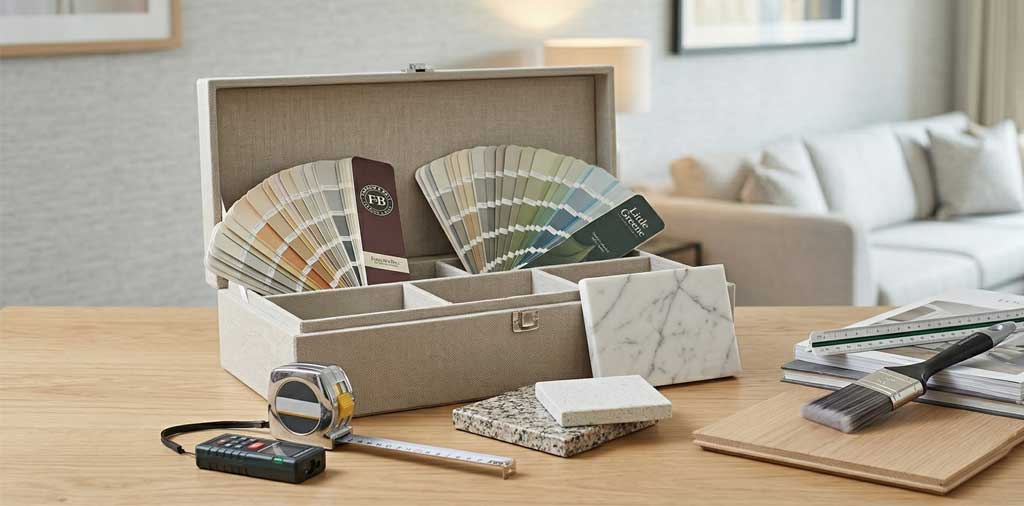 Transform your living space with our expert guides on flooring, painting, and kitchen renovations. Learn how to clean delicate surfaces like marble or choose the right fixings for your next big indoor project.
 Enhance your curb appeal and enjoy your outdoor space. Discover the best lawnmowers for your garden, landscaping inspiration, and durable solutions for fencing, patios, and home exterior maintenance.

The commercial construction industry on Long Island keeps advancing as most of the businesses continue to put their money into retail centers, office buildings, medical facilities, industrial areas, education centers and other mixed use structures. Due to the rise in construction cost, regulations becoming more complex and timeframes become more difficult to meet, owners will need to make very important decisions well ahead of the start of the construction. One of the critical decisions they face is selecting the right project delivery method.
Design-Build and Traditional Construction Delivery are two of the most popular delivery methods today. Both of these delivery methods have been successfully used for commercial construction in Long Island, however, they present distinct trade-offs.
Understanding Design-Build Construction
Design-Build is a project delivery method where one entity will be responsible for providing both design services and construction services for a project. Instead of employing several different people such as architects, engineers and contractors, the project owner collaborates with a single Design-Build team throughout all phases of the project from initial development to the completion of the project.
The Design-Build Institute of America(DBIA) states that this integrated project delivery method fosters a collaborative relationship between the designer and builder that helps to work hand in hand throughout the entire project lifecycle.
Benefits of Design-Build Construction
1. Streamlined Communication
When all key players are working under a single contract, communication flows much more smoothly. Owners get the updates from one source rather than multiple parties which reduce the confusions and delays that can come from mixed messages.
2. Faster Project Completion
The Design-Build process allows the design and construction phases to happen simultaneously, which means it is possible to initiate construction earlier as designing goes on. According to Design-Build Institute of America (DBIA), this method can lead to faster delivery of projects compared to the traditional Design-Bid-Build approach. Also it helps businesses to get to the market quicker and start generating revenue more quickly.
3. Cost Efficiency
Collaboration with designers and contractors at the beginning of a project allows for an early identification of potential cost-saving opportunities before actual construction has started. Using real-time budgeting tools enables the project team to make more informed decisions related to costs, reduce the number of change order, and overall have more effective budget controls.
Understanding Traditional Construction
Traditional Construction Delivery System, often referred to as Design-Bid-Build, is the project delivery method that has been used for decades throughout the country. According to this process, the owner starts with hiring architects and engineers to develop the design for a project.
When the design documents are ready contractors will submit competitive bids for the construction work. The owner reviews these bids, selects a contractor and enters into a separate agreement for the construction phase.
Advantages of Traditional Construction
1. Established Processes and Familiarity
The Design-Bid-Build method is quite known to many owners, architects, financiers and public authorities due to its widespread implementation throughout history that has led to standardized procedures that many stakeholders really understand.
2. Greater Control Over Design
Owners generally have time to go through and refine all of their project specifications before issuing bid requests to prospective contractors. This method can be especially useful for projects that require very specific designs.
3. Flexibility in Contractor Selection
Once the design is finished, owners will have the opportunity to evaluate multiple contractor’s qualifications and choose from among them, as well as compare their respective prices.
Comparing Design-Build and Traditional Construction for Long Island Commercial Projects Cost Considerations
1. Budgeting and Financial Implications
Cost predictability is usually one of the main concerns of commercial property owners.
In a Design-Build setup, contractors are involved in giving their advice during the preparation of the design which makes it feasible to keep track of the budget continuously. This teamwork helps ensure that the project’s scope aligns with financial goals right from the start.
On the other hand, Traditional Construction offers competitive bidding once the design is finished, however, the owner is likely to realize that the bids are surpassing the expected budget and as such redesigning may become necessary which can lead to extra costs and delays.
2. Potential for Cost Overruns
Design-Build teams cooperates throughout the entire project, which usually leads to more transparency in the costs during the planning stage.
On the other hand, Design-Bid-Build projects will typically incur increased change orders due to unforeseen construction challenges that arise after the conclusion of the design phase.
Time Efficiency
1. Project Timelines and Scheduling
Speed is one of the major factors distinguishing between the two approaches.
With Design-Build method you can split many of the steps into different phases and do them all at the same time, which can really help to speed up project timelines. For the businesses in Long Island seeking to start their operations quickly, this shortened project timeline will be helpful to them.
On the other hand, Traditional Construction is usually an orderly and sequential process resulting in greater amount of time before construction of the project actually begins.
Quality of Work
1. Standards and Expectations
Both of the project delivery systems can produce high-quality results when they are managed effectively.
Design-Build teams often enjoy better collaboration which helps to resolve the issues related to constructing the design at the very beginning with the active involvement of the constructor as a member of the design.
On the other hand, Traditional Construction offers extra layers of review by having separate design and construction teams, which some owners consider helpful for building good quality.
2. Accountability and Oversight
In Design-Build projects, the overall accountability for project results are transferred mostly to a single party and therefore, it simplifies the issues and facilitates problem resolution.
In Traditional Construction, there can be some disputes between designers and contractors about who is responsible for specific issues and this can lead to difficulty in managing traditional construction projects due to the potential for disagreement.
Local Regulations and Compliance
1. Navigating Long Island’s Construction Laws
In Long Island, commercial construction projects needs to be in compliance with the multitude of local, county and state regulations. This includes everything from zoning laws and building codes to environmental factors, fire safety standards and accessibility guidelines.
Regardless of whether you are opting for Design Build method in Long Island or Traditional methods of constructing the project, it is very important for professional project teams to follow compliance rules in every step of the way during the development process.
2. Permitting Processes
The issuance of permits can have a considerable impact on the timing of projects. Many municipalities on Long Island require multiple approvals prior to commencing construction.
One of the advantages that Design-Build teams have with the permitting process is that the designers and the builders being together all along the time can make the permit coordination smoother throughout the process. Commercial contractors have been able to handle permits regardless of whether it is a Design-Build or Traditional Construction management project delivery method.
Conclusion
Design-Build and Traditional Construction methods both are fully capable of delivering great results in commercial development projects. Traditional Construction method has a well-defined structure along with competitive bid sources and a high level of owner involvement in the design process. On the other hand, Design Build method provides an integrated approach to project delivery, smoother communication, quicker project timelines and better budget management.
Business Owners should conduct a thorough assessment of their projects while consulting with professional commercial contractors on Long Island before initiating a commercial project. By choosing the right delivery method that suits best to their needs, business owners will increase efficiency of the project, keep costs under control and set their projects up for success in the long run.